At 6am every Tuesday, thirty-odd people gather on Portsmouth's Southsea Common for what looks like military training but costs absolutely nothing. Led by former Royal Marine instructor Dave Matthews, this 'Fitness for All' session has been running for three years, attracting everyone from students to pensioners united by a simple philosophy: getting fit shouldn't require a second mortgage.
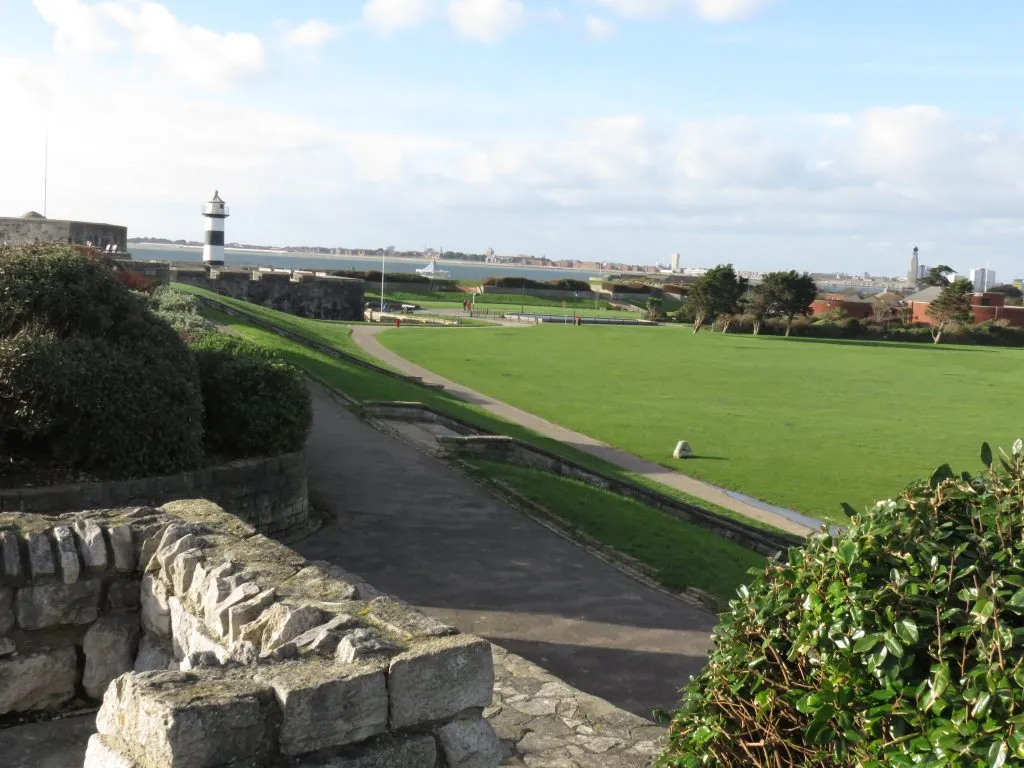 Photo: Southsea Common, via research.hgt.org.uk
"Gyms prey on good intentions and busy lifestyles," Matthews explains between burpees. "They bank on you paying monthly fees while rarely attending. We flip that model – show up, work hard, pay nothing."
This represents a broader revolution across the Solent, where communities are rejecting expensive fitness contracts in favour of creative, cost-effective alternatives that often deliver superior results.
The Great Outdoors Advantage
The Solent's greatest fitness asset costs nothing to access: miles of waterfront providing natural resistance training opportunities. Southsea's seafront outdoor gym equipment, installed by Portsmouth Council, offers comprehensive workout options that rival premium health clubs.
The equipment cluster near the Pyramids Centre includes lat pulldown machines, cross-trainers, and resistance units designed to withstand coastal weather while providing smooth operation. Personal trainer Lisa Hammond, who runs beach bootcamps, notes: "This equipment is often superior to indoor gyms – no membership queues, no time limits, and sea air beats air conditioning every time."
 Photo: Pyramids Centre, via ents24.imgix.net
Similarly, Southampton's Ocean Village and Mayflower Park feature outdoor fitness trails with exercise stations every 200 metres. These aren't token gesture installations; they're comprehensive circuits designed by fitness professionals. The Mayflower route includes plyometric boxes, parallel bars, and suspension training anchor points.
Community-Powered Fitness Networks
Across the region, resident-led fitness groups are thriving through social media coordination and word-of-mouth growth. 'Fareham Fitness Friends' organises five weekly sessions covering everything from yoga to high-intensity interval training. Annual membership costs £20 – less than a single gym session elsewhere.
Founder Jenny Martinez started the group after calculating that her family's gym memberships cost £1,800 annually for sporadic use. "We realised we were paying for convenience we didn't need," she explains. "Community fitness provides accountability that expensive contracts never could."
The group's success lies in variety and inclusion. Monday morning yoga in Fareham Recreation Ground costs £2 per session. Wednesday evening running club is free but encourages £1 donations toward equipment. Friday bootcamp costs £3, with proceeds funding guest instructors for specialised sessions.
Council Facilities: The Hidden Bargains
Local authority leisure centres operate sophisticated pricing structures that reward flexible schedules. Portsmouth's Pyramids Centre offers 'Off-Peak Plus' membership at £19.95 monthly – providing full facility access between 6am-4pm weekdays and all weekend. Standard gym chains charge £35-50 for equivalent access.
The key insight is understanding utilisation patterns. Swimming pools are virtually empty 7-9am weekdays, offering lane swimming for £3.20 versus peak-time crowding at £4.80. Fitness classes during school hours cost £4-6 compared to £12-15 for evening sessions at private studios.
Southampton's sports centres provide even better value through annual passes. The 'Resident Plus' scheme offers unlimited swimming, gym access, and group classes for £299 annually – equivalent to £5.75 weekly. Most gym memberships cost £30+ monthly, making this a £60+ monthly saving.
The NHS Backdoor: Exercise Referral Schemes
General practitioners across the Solent can prescribe exercise through 'Exercise on Prescription' schemes that provide heavily subsidised access to professional fitness guidance. Qualifying conditions include obesity, diabetes, depression, and cardiovascular concerns – criteria that encompass substantial portions of the adult population.
The scheme provides 12-week programmes at council leisure centres for £2-3 per session, including personal training, nutritional advice, and progress monitoring. Private equivalent services cost £40-60 per session. Dr. Sarah Williams from Portsmouth's Elm Grove Surgery notes: "We're increasingly prescribing exercise instead of medication. The cost-effectiveness is remarkable."
Participants receive comprehensive health assessments, tailored exercise programmes, and ongoing support that exceeds most commercial gym offerings. The medical backing also ensures programmes adapt to individual limitations and health considerations.
Pay-As-You-Go: Flexibility Without Commitment
The subscription economy pressures consumers into monthly commitments that rarely match actual usage patterns. Progressive Solent facilities are embracing pay-per-visit models that align costs with consumption.
Active Nation's Portsmouth facilities offer day passes at £6-8, making occasional use economically sensible. Their 'Flexi-10' cards provide ten visits for £45-55, valid for six months. For people exercising 2-3 times weekly, this undercuts monthly memberships while eliminating unused capacity costs.
Independent studios are pioneering class-based pricing. Yoga with Adrienne in Gosport charges £8 per session with no membership requirements. Pilates Plus in Southampton's Bedford Place operates on £10 per class basis, with loyalty cards offering every tenth session free.
Technology-Enabled Solutions
Smartphone apps are democratising personal training through AI-powered programmes that adapt to progress and preferences. Nike Training Club provides professional workout routines for free, while apps like Seven offer quick sessions designed for busy schedules.
Local Facebook groups coordinate running partners, walking groups, and outdoor fitness sessions. 'Solent Runners' has 2,400+ members organising daily activities across the region. The social element provides motivation that isolated gym sessions often lack.
Strava's segment features gamify local routes, creating competitive elements without entry fees. Popular segments like Portsmouth's seafront parkrun or Southampton Common's perimeter challenge users to improve times against community leaderboards.
 Photo: Southampton Common, via www.bwallpaperhd.com
The £10 Monthly Fitness Plan
Realistic budget fitness across the Solent might include:
Week 1: Two community bootcamp sessions (£6) + one council pool swim (£3.20) Week 2: Outdoor gym sessions (free) + yoga class (£8) Week 3: Parkrun (free) + pay-as-you-go gym visit (£6) Week 4: Beach walks/runs (free) + pilates session (£10)
Monthly total: £33.20 for diverse, professional-quality fitness experiences.
This compares to £40-80 monthly gym memberships that often go unused, proving that financial constraints need not limit fitness aspirations.
The Social Revolution
Community-based fitness creates social connections that commercial gyms struggle to match. Regular outdoor sessions build friendships, accountability partnerships, and support networks that extend beyond exercise.
The mental health benefits are substantial. Exercise in natural settings, particularly coastal environments, provides documented psychological advantages over indoor alternatives. Combined with social interaction and financial sustainability, this approach addresses multiple wellbeing factors simultaneously.
The Solent's fitness revolution demonstrates that the best exercise programmes combine physical challenge, social connection, and financial accessibility. Your postcode provides access to world-class fitness opportunities – the only membership fee required is motivation.