Spice Routes and Savings: Where Solent's International Markets Make Your Money Travel Further
Tucked behind Southampton's main shopping district, a small Polish deli sells handmade pierogi for £2.50 per dozen – the same quantity costs £6 in Waitrose. This isn't an isolated bargain; it represents a hidden economy where recent immigrants and established communities have created an alternative food network that consistently outperforms mainstream supermarkets on both price and authenticity.
The Eastern European Treasure Trail
Barton Road in Southampton hosts a cluster of Eastern European shops that transform weekly shopping mathematics. At Euro Foods, premium Polish sausage costs £4.50 per kilo versus Tesco's £12 equivalent. The quality difference is stark – these are traditional recipes using techniques that British manufacturers abandoned decades ago.
Owner Marek Kowalski explains the economics: "We import directly, no middlemen. British shops add 200-300% markup for 'exotic' products that are everyday items for us." His freezer section stocks pierogi, goulash, and cabbage rolls at prices that make batch cooking economically sensible.
Beyond meat products, the bakery section reveals genuine bargains. Fresh rye bread at 80p per loaf compares to £2.20 in mainstream stores. The difference isn't just financial – these loaves last days longer thanks to traditional fermentation methods.
Central European Stores in Portswood specialises in Hungarian and Czech products. Their paprika selection spans 15 varieties, each costing £1-2 versus Sainsbury's single option at £3.50. For families embracing Eastern European cuisine, monthly savings easily reach £40-60.
Asian Abundance: From Seoul to Sylhet
Portsmouth's Kingston Road houses the region's largest concentration of Asian groceries. New Malden Asian Stores spans three shop fronts, offering everything from 20kg rice sacks to specialist Korean fermented pastes. Their pricing structure reflects bulk purchasing power – basmati rice costs £1.20 per kilo versus £3+ in conventional supermarkets.
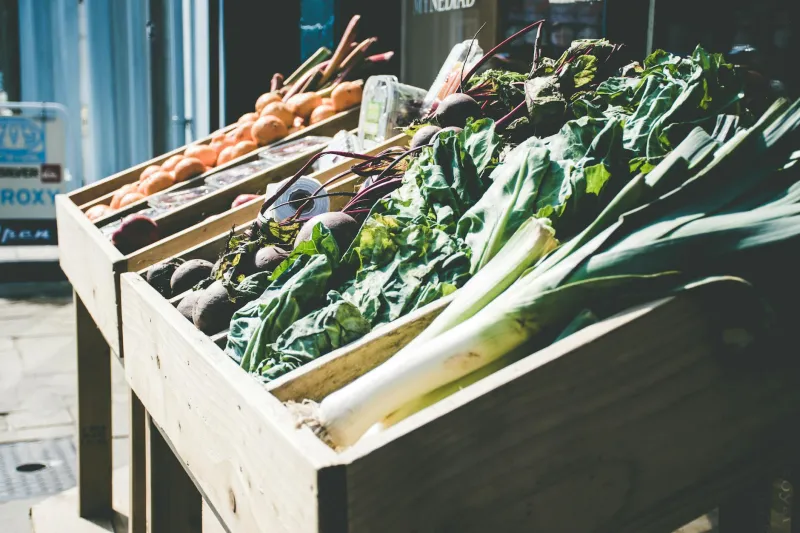
The fresh produce section operates on different principles entirely. Pak choi, typically £2.50 per bunch in Waitrose, sells for 60p. Asian aubergines, impossible to find elsewhere, cost £1 per kilo. These aren't inferior products; they're simply distributed through different networks.
Manager David Chen reveals the insider approach: "Come Tuesday or Wednesday when deliveries arrive. Weekend shoppers get picked-over selection." He's right – midweek visits reveal pristine vegetables at prices that make daily fresh cooking affordable.
Bangladeshi groceries along London Road specialise in subcontinental ingredients. Hilsha fish, considered a delicacy, costs £8 per kilo versus £25 in specialist British fishmongers. Mustard oil, essential for authentic Bengali cooking, is £3 per litre compared to £12 in health food shops marketing it as a 'superfood'.
The Middle Eastern Connection
Fareham's surprisingly diverse West Street hosts two Middle Eastern groceries that consistently undercut mainstream prices. Al-Noor Foods imports directly from Lebanon and Syria, offering premium olive oil at £6 per litre – identical quality costs £15 in delicatessens.
Their spice selection reveals the supermarket markup scandal. Sumac, cardamom, and za'atar cost £1-2 per 100g versus £4-6 in glass jars from major retailers. The difference isn't packaging prettiness; these are the same products sold in bulk to restaurants.
Olives deserve special mention. Mixed varieties in brine cost £3 per kilo, while Tesco charges £8 for 200g of similar quality. For Mediterranean diet enthusiasts, this represents transformational savings.
The Turkish Advantage
Southampton's Turkish community supports three major groceries that double as community hubs. Bosphorus Market on Bevois Valley Road offers Turkish delight at £4 per kilo – airport gift shops charge £20 for 250g. Their cheese selection includes authentic feta for £6 per kilo versus £16 in mainstream stores.
Fresh herbs tell the story clearly. Mint, parsley, and coriander bunches cost 50p each versus £1.50+ elsewhere. These aren't smaller bunches; Turkish groceries understand that herbs should be affordable staples, not premium garnishes.
The Caribbean Circuit
Portsmouth's Commercial Road Caribbean stores specialise in ingredients impossible to find elsewhere. Scotch bonnet peppers, essential for authentic jerk seasoning, cost £4 per kilo. Plantains are £1.50 per kilo versus £6+ in supermarkets' 'exotic' sections.
Yams, sweet potatoes, and cassava reflect the pricing disparity perfectly. These staple vegetables cost £1-2 per kilo in Caribbean shops but £4-8 in mainstream retailers positioning them as 'superfoods'.
Your Weekly World Tour: A Strategic Shopping Route
Monday: Turkish groceries for fresh herbs, olives, and dairy products. Budget: £8-12 for week's supply.
Tuesday: Asian markets for rice, vegetables, and proteins. Midweek delivery timing ensures best selection. Budget: £15-20.
Wednesday: Eastern European shops for bread, preserves, and prepared foods. Wednesday specials often apply. Budget: £10-15.
Thursday: Middle Eastern groceries for spices, oils, and pantry staples. End-of-week pricing sometimes available. Budget: £8-12.
Weekend: Caribbean stores for tropical fruits and specialty items. Budget: £5-8.
This £46-67 weekly budget provides ingredients for diverse, restaurant-quality meals that would cost £120+ using conventional supermarket shopping.
The Community Connection
These shops operate as cultural centres, not just retail outlets. Owners provide cooking advice, recipe suggestions, and cultural context that transforms shopping from transaction to education. Building relationships unlocks additional benefits – bulk purchase coordination, advance notice of special items, and sometimes generous 'tasting portions'.
Practical Considerations
Payment often remains cash-focused, though card acceptance is increasing. Packaging tends toward practical rather than pretty – bring your own bags and containers. Opening hours sometimes reflect community needs rather than retail conventions, so checking ahead prevents disappointment.
Language barriers are rarely problematic. Most owners speak excellent English and appreciate customers showing genuine interest in their products' origins and uses.
The Solent's international grocery network represents more than cost savings – it's access to authentic ingredients that transform home cooking from routine to adventure. Your weekly shop becomes a passport to global cuisines, with the delightful side effect of halving your food budget.